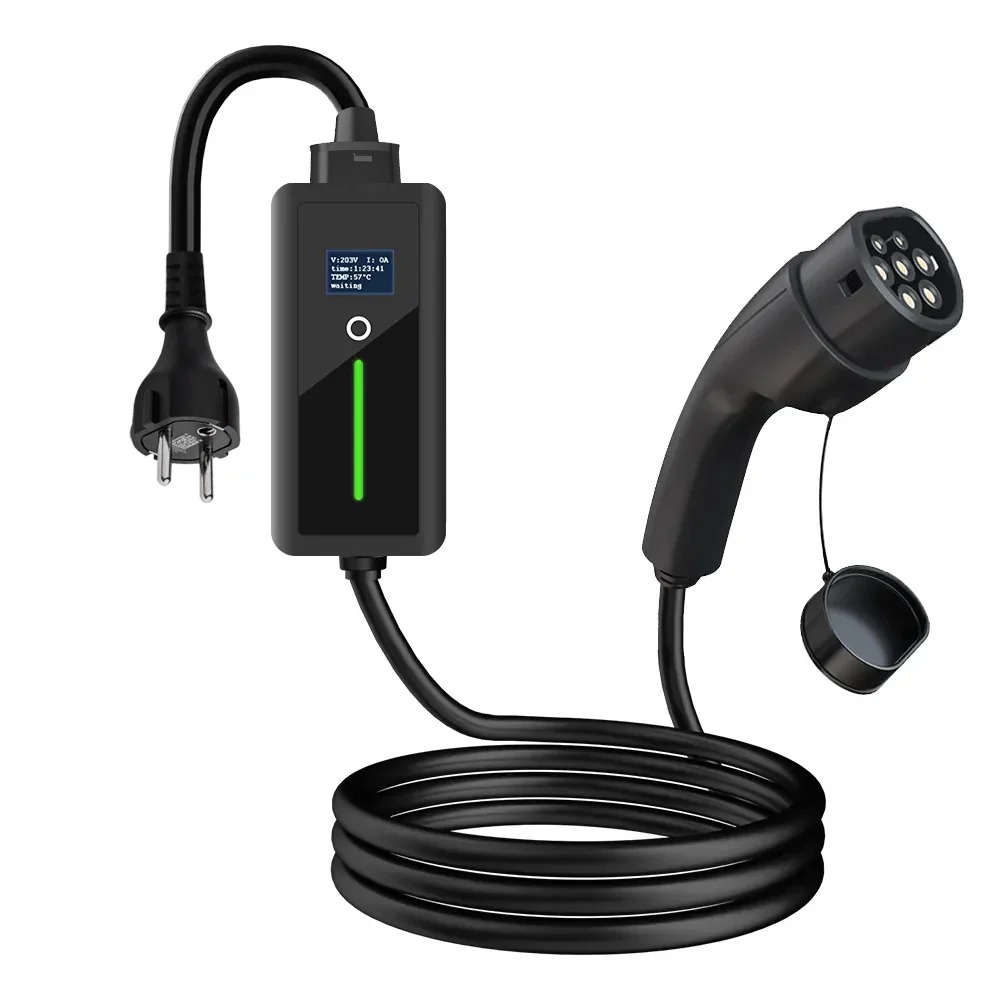
A portable EV charger is becoming an essential accessory for electric vehicle owners. Whether you’re traveling long distances, living in an apartment, or preparing for emergencies, having a reliable portable charger ensures you can power your EV anytime, anywhere.
In this guide, we’ll explain what a portable EV charger is, how it works, its benefits, charging speeds, and how to choose the right one for your vehicle.
What Is a Portable EV Charger?
A portable EV charger is a compact, mobile charging device that allows you to charge your electric vehicle using standard electrical outlets. Unlike fixed wall-mounted charging stations, portable chargers can be carried in your trunk and used wherever compatible power sources are available.
Most portable chargers are:
- Lightweight and compact
- Plug-and-play design
- Compatible with household or industrial outlets
- Equipped with safety protection systems
How Does a Portable EV Charger Work?
A portable EV charger connects your car to an external power source and safely regulates the flow of electricity. It typically includes built-in protection features such as:
- Over-voltage protection
- Over-current protection
- Short-circuit protection
- Over-temperature monitoring
- Ground fault protection
Modern units often include LCD displays or smart app connectivity to monitor charging time, voltage, current, and energy consumption.
Charging Levels Explained
Level 1 Charging (120V)
Uses a standard household outlet. Charging speed is slower but convenient for overnight charging. Ideal for daily commuting needs.
Level 2 Charging (240V)
Uses a higher voltage outlet (similar to dryers or industrial sockets). Significantly faster charging and commonly supported by portable EV chargers.
| Charging Level | Voltage | Typical Speed |
|---|---|---|
| Level 1 | 120V | 3–5 miles per hour |
| Level 2 | 240V | 15–40 miles per hour |
Benefits of a Portable EV Charger
- Emergency Backup: Never worry about being stranded with a low battery.
- Travel Convenience: Charge at hotels, vacation homes, or workplaces.
- Apartment-Friendly: Ideal if you don’t have a dedicated wall charger.
- Cost Savings: Avoid expensive public charging stations.
- Flexibility: Works in multiple locations.
Who Needs a Portable EV Charger?
A portable EV charger is perfect for:
- Frequent travelers
- Fleet operators
- Ride-share drivers
- Off-grid or rural EV owners
- Businesses offering EV charging support
Key Features to Look For
When choosing the best portable EV charger, consider:
- Adjustable Current: Allows flexible charging rates.
- Weather Resistance: IP65 or higher rating for outdoor use.
- Cable Length: 5–10 meters recommended for convenience.
- Connector Type: Ensure compatibility (Type 1, Type 2, etc.).
- Smart Features: WiFi or Bluetooth monitoring.
- Safety Certifications: CE, UL, or equivalent approvals.
Is a Portable EV Charger Safe?
Yes — high-quality portable EV chargers are designed with multiple safety protections and strict compliance standards. Always purchase from reputable manufacturers and avoid uncertified low-cost products that may compromise safety.
Conclusion
A portable EV charger offers flexibility, security, and convenience for modern electric vehicle owners. Whether used as a primary charger or backup solution, it ensures you’re never limited by fixed charging infrastructure.
As EV adoption continues to grow worldwide, investing in a reliable portable EV charger is a smart decision for both personal and commercial use.
Pingback: minoxidil onset vs duration
Pingback: vardenafil 5 mg insights
Pingback: vardenafil cautionary notes
Pingback: orlistat mechanism scientific basis
Pingback: medical review details
Pingback: amoxicillin probiotic interactions
Pingback: sinusitis pain symptoms
Pingback: Sildenafil vs Avanafil Speed Differences
Pingback: sildenafil as a medication
Pingback: tadalafil reference resource