Introduction
With the increasing availability of tracking technology, concerns about unauthorized vehicle tracking have become more common. Whether for personal safety, privacy, or security, knowing how to detect a hidden GPS tracking device on your vehicle is essential.
This guide provides a professional, step-by-step approach to identifying and locating GPS trackers, along with practical tips and tools to ensure your vehicle remains secure.
Understanding GPS Tracking Devices
A GPS tracking device is a compact electronic unit designed to monitor and transmit a vehicle’s location. These devices can be:
- Battery-powered (portable) – easy to hide and attach using magnets
- Plug-in (OBD-II) – connected to the vehicle’s diagnostic port
- Hardwired – integrated into the vehicle’s electrical system
Battery-powered trackers are the most common for unauthorized use because they are quick to install and difficult to detect.
👉 Learn more about power solutions for trackers here:
gps tracking device battery
Common Signs Your Vehicle May Be Tracked
- Unusual battery drain
- Unknown devices connected to your car
- Strange noises or interference (rare, but possible)
- Suspicious individuals near your vehicle
While these signs are not definitive, they can indicate the need for further inspection.
Step-by-Step: How to Find a GPS Tracker
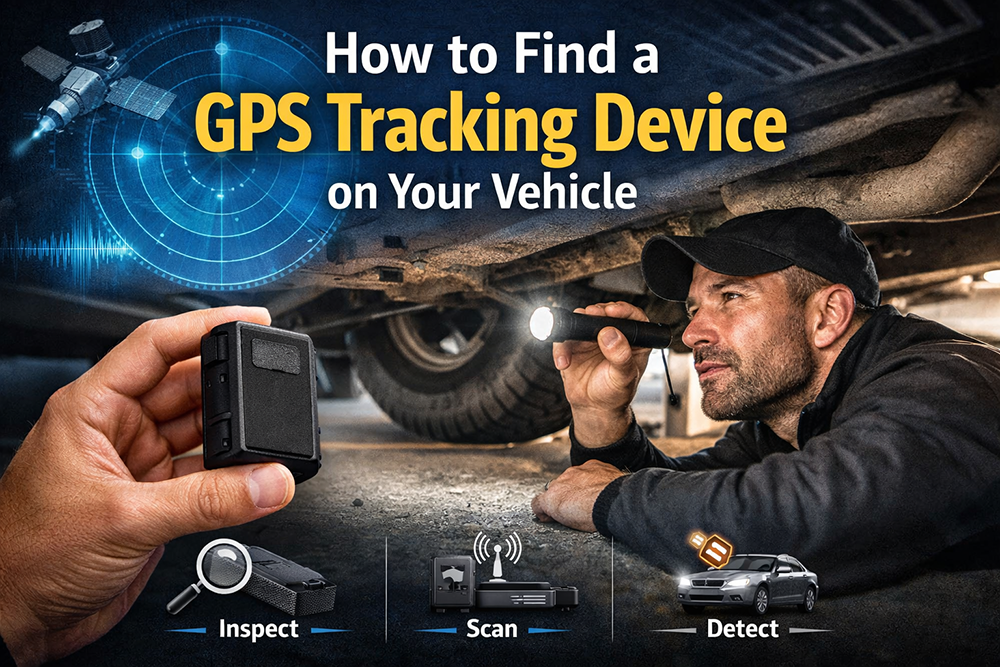
1. Inspect the Exterior of Your Vehicle
- Undercarriage – Check for small magnetic boxes attached to the frame
- Wheel wells – Feel inside for hidden devices
- Behind bumpers – Use a flashlight and mirror to inspect hard-to-see areas
- License plate area – Look for unusual attachments
Magnetic trackers are often placed underneath the car because they are easy to install and conceal.
2. Check Inside the Vehicle
- OBD-II port (under dashboard) – Look for unknown plug-in devices
- Under seats and floor mats – Feel for hard objects or small boxes
- Glove compartment and center console – Check hidden corners
- Trunk and spare tire area – Inspect lining and compartments
The OBD port is one of the most common locations for plug-in trackers due to easy access.
3. Examine the Dashboard and Wiring
- Behind dashboard panels
- Near the fuse box
- Around the car battery or wiring harness
Hardwired devices may require careful inspection or professional assistance to locate safely.
4. Use Detection Tools
- RF (Radio Frequency) detectors – Identify active signals
- Bug sweepers – Detect cellular, Wi-Fi, or Bluetooth transmissions
- Bluetooth scanners/apps – Useful for detecting nearby tracking devices
Note: Smartphone apps can only detect certain types of trackers, not all GPS devices.
5. Check for Magnetic Attachments
- Run your hand along metal surfaces
- Feel for unusual bumps or objects
- Pay attention to areas that seem different from surrounding surfaces
What to Do If You Find a GPS Tracker
- Do not panic
- Document the device (photos, location)
- Avoid tampering if unsure
- Contact authorities if you suspect illegal tracking
- Consult a professional mechanic for hardwired devices
Battery-powered trackers are usually easy to remove, while wired systems may require technical expertise.
Prevention Tips
- Park in secure or well-lit areas
- Regularly inspect your vehicle
- Use anti-tamper alarms or surveillance
- Be cautious when lending your car
Finally
Finding a GPS tracking device on your vehicle requires a combination of awareness, inspection, and the right tools. By understanding common hiding spots and detection methods, you can effectively protect your privacy and ensure your vehicle remains secure.
As tracking technology continues to evolve, staying informed and proactive is the best defense against unauthorized surveillance.
Pingback: avanafil safe online handling
Pingback: augmentin vs amoxicillin benefits